

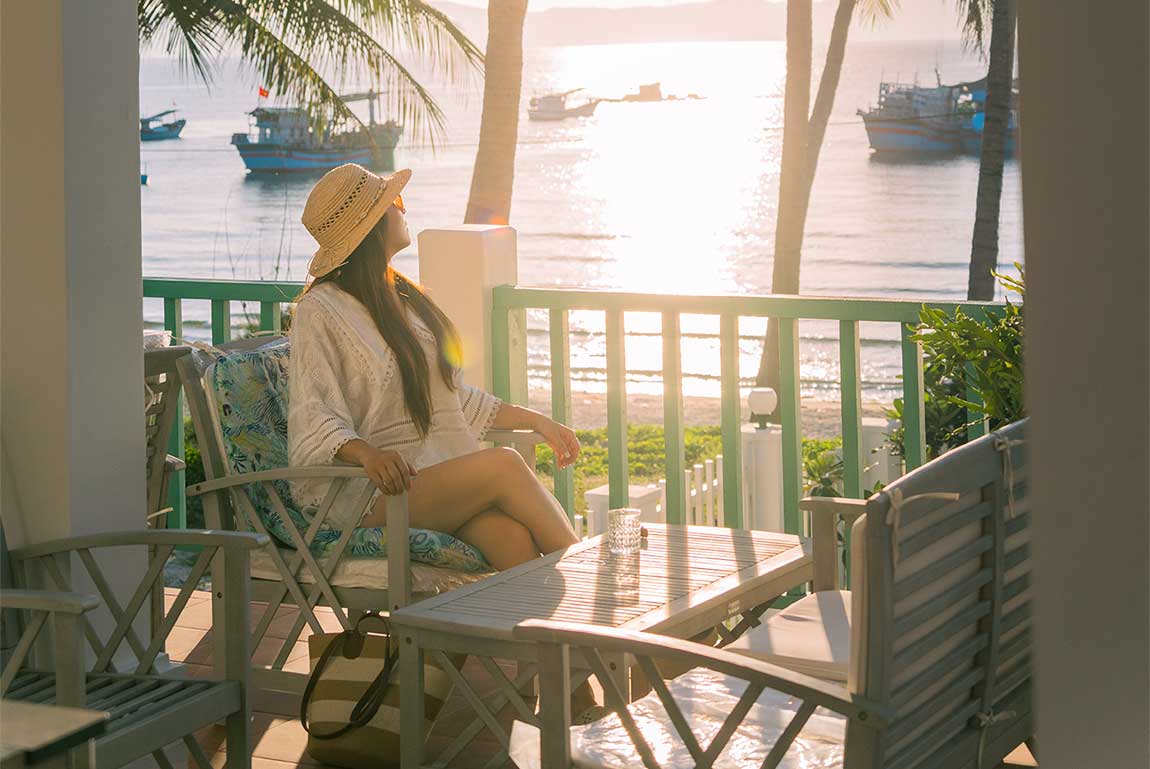
 Bridging the gap between indoor and outdoor living, the veranda’s versatility is part of its enduring allure, and in the Cayman Islands, it’s a way of life.
Outdoor living is one of life’s great pleasures. Yet in warmer climates, where the midday sun can be intense, shade is just as important as sunshine. For centuries, the veranda has provided both: a sheltered outdoor space offering respite from the heat while keeping the landscape, breeze and fresh air close at hand.
The architectural form has a long history. Its roots can be traced to dwellings on the Indian subcontinent, before the veranda became established in British and American architecture through colonial development. By the 1700s, it was a familiar feature of homes in the American South, where covered porches provided welcome protection from sun, rain and wind.
Today, the veranda remains one of the original expressions of indoor-outdoor living. But while its practical purpose has endured, the way we use it has evolved. Modern verandas can be outdoor living rooms, dining spaces and quiet retreats, somewhere for a first coffee in the morning, an afternoon in the shade or drinks as the sun goes down.
An island tradition
In the Cayman Islands, that relationship between home and outdoors feels particularly natural. Here, the veranda isn’t simply a summer feature. With warm temperatures throughout the year, tropical breezes and the Caribbean Sea never far from view, covered outdoor spaces become genuine extensions of the home.
They also answer one of the practical realities of tropical living: enjoying the outdoors doesn’t necessarily mean sitting in full sunshine. Deep rooflines, covered terraces and shaded seating areas allow homes to remain connected to their surroundings throughout the day.
Across Grand Cayman, the idea takes many architectural forms, from grand oceanfront loggias to relaxed contemporary terraces, but the principle remains remarkably consistent.
Castillo Caribe
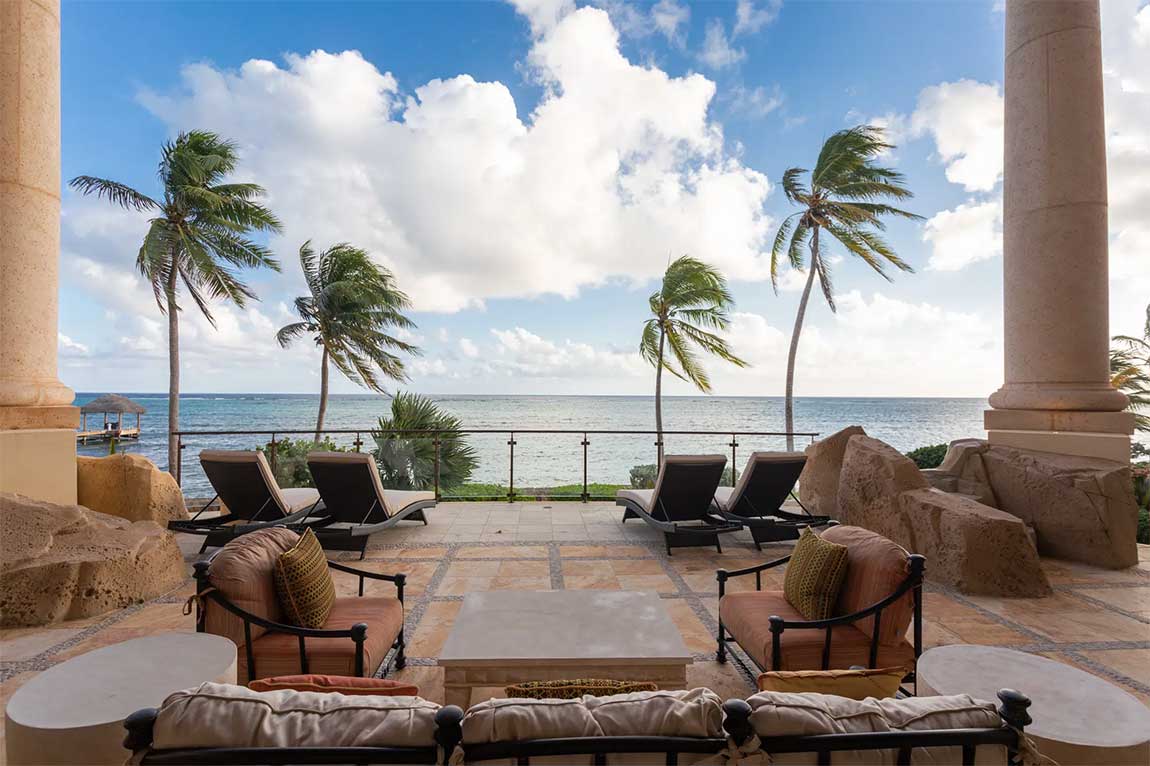
At Castillo Caribe, the veranda is conceived on a grand scale.
Substantial columns frame an expansive covered terrace overlooking the Caribbean Sea, while generous lounge seating transforms the space into an open-air living room. The architecture provides shade without compromising the extraordinary outlook, drawing the eye past the terrace and palms to the horizon beyond.
There is a sense of permanence to the space that recalls the veranda’s architectural origins, yet its purpose is entirely suited to contemporary Cayman life: somewhere to gather, entertain, relax and enjoy the sea breeze while remaining sheltered from the strongest sun.
Kai Rose
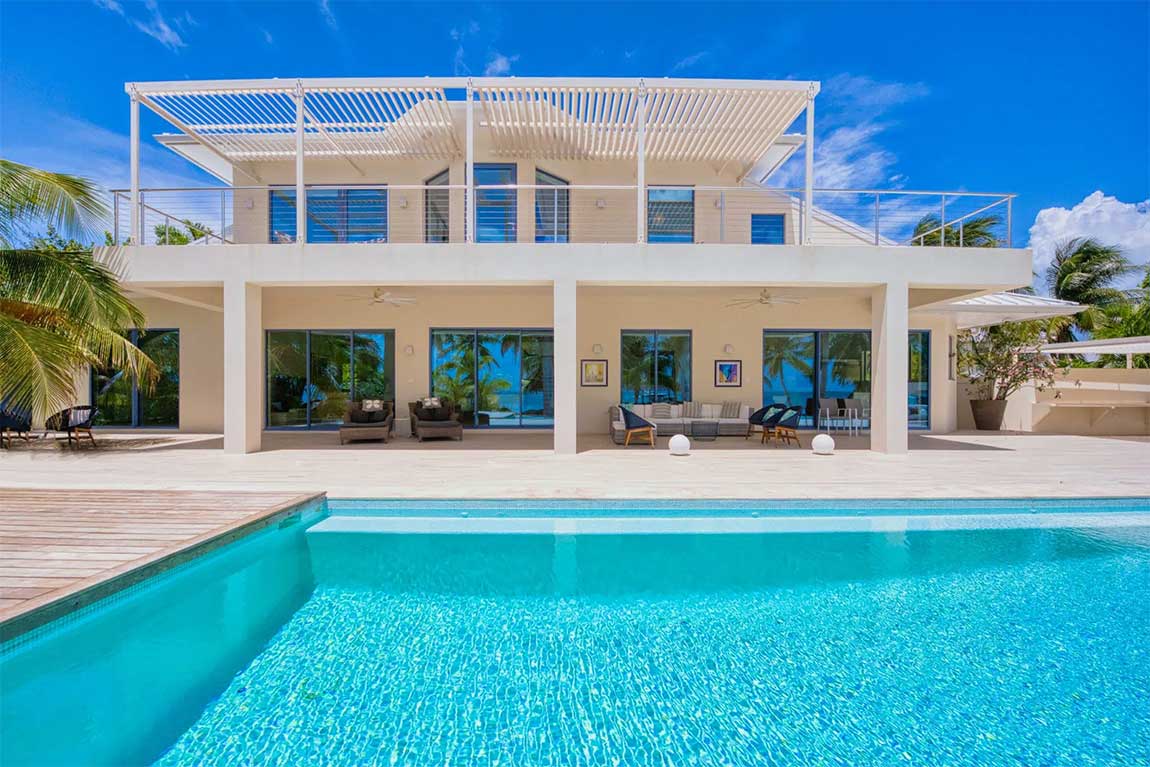
At Kai Rose, the concept takes on a lighter, more contemporary character.
A deep covered terrace runs alongside the home’s interior living spaces, with expansive glass doors creating an easy visual connection between inside and out. Ceiling fans, comfortable sofas and generous seating make the veranda feel less like an occasional entertaining area and more like another room of the house.
It is perhaps the clearest expression of why the veranda has remained relevant for centuries. Architecture and furnishings may change, but the appeal of having a comfortable place to live outdoors does not.
Here, the distinction between interior and exterior becomes deliberately blurred, with the veranda connecting the home to its pool and tropical surroundings.
Ocean Kai
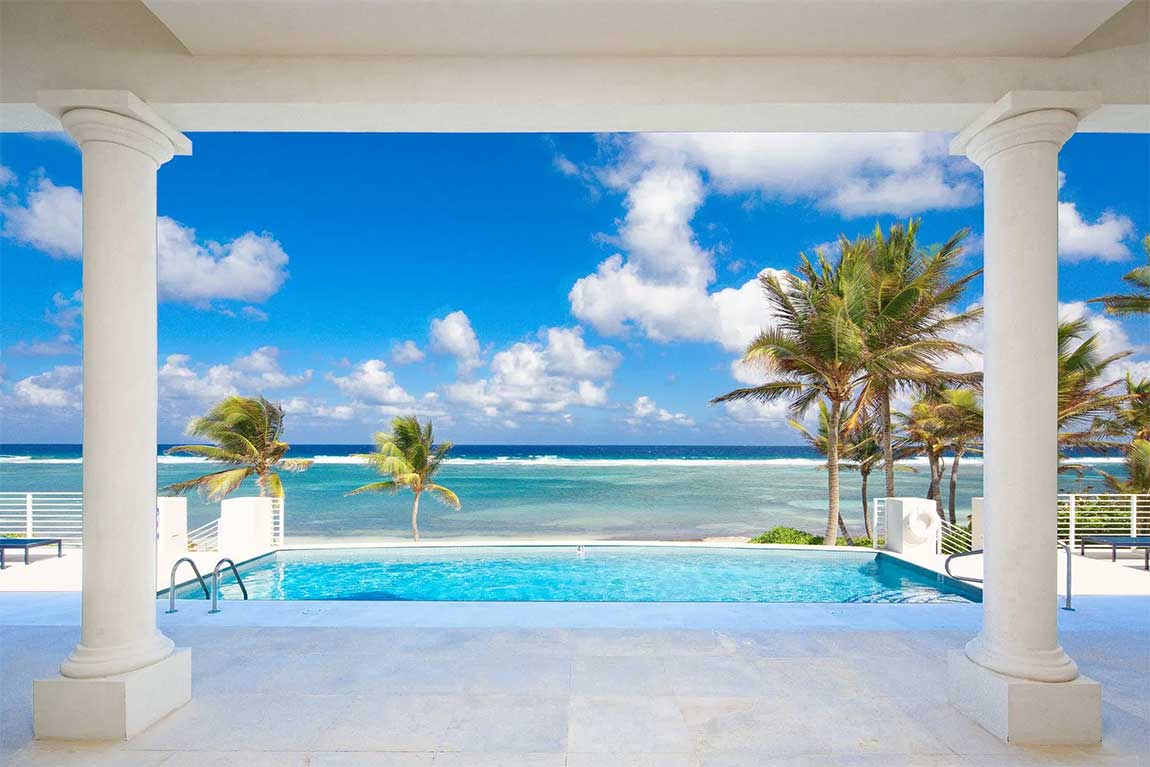
At Ocean Kai, the veranda becomes a frame for the landscape.
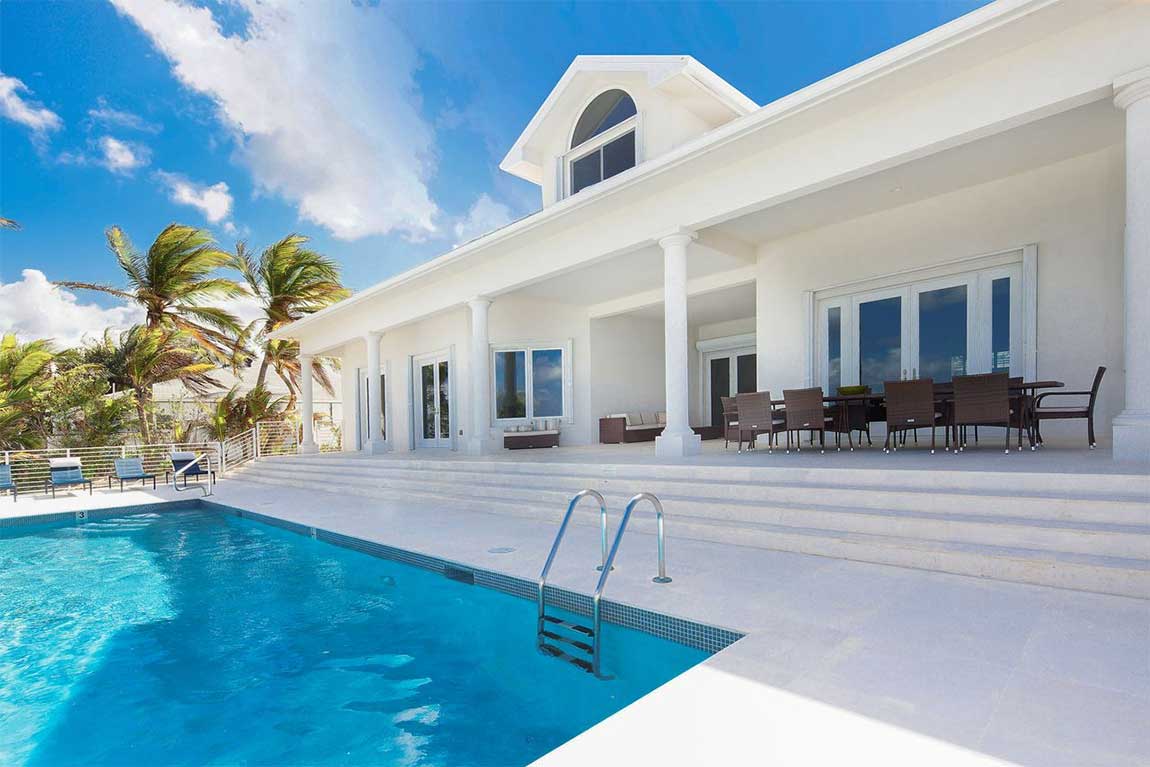
Classical columns and the broad covered terrace create a dramatic outlook across the infinity pool towards the beach and Caribbean Sea. Rather than separating the house from its surroundings, the architecture draws the view inward, making the water an integral part of the experience of the home.
The sheltered terrace also provides an important transition: from the cool interior to the pool terrace, and ultimately to the shoreline beyond.
It is a particularly Cayman interpretation of indoor-outdoor design — architecture that acknowledges both the tropical climate and the reason for wanting to be outside in the first place.
Ocean Kai’s covered terrace frames an uninterrupted vista across the pool to the Caribbean Sea.
Designed for the way we live
 Perhaps the enduring appeal of the veranda lies in its simplicity. It doesn’t ask us to choose between indoors and outdoors.
Instead, it occupies the space between the two.
That versatility has helped the veranda survive centuries of changing architectural tastes. As architect Jeffrey Dungan explains in the original Sotheby’s International Realty article, it provides a connection with the outdoors while offering protection from some of its less convenient elements.
In Cayman, that balance feels especially relevant. The best covered terraces aren’t simply architectural features to admire; they’re spaces designed to be used — for breakfast before the day warms up, afternoons spent in the shade, dinner outdoors or an evening watching the light change across the water.
From the grandeur of Castillo Caribe to the contemporary ease of Kai Rose and the spectacular ocean outlook at Ocean Kai, each offers its own interpretation of an architectural idea that has endured for generations.
Because in the Cayman Islands, veranda season doesn’t have to end.