

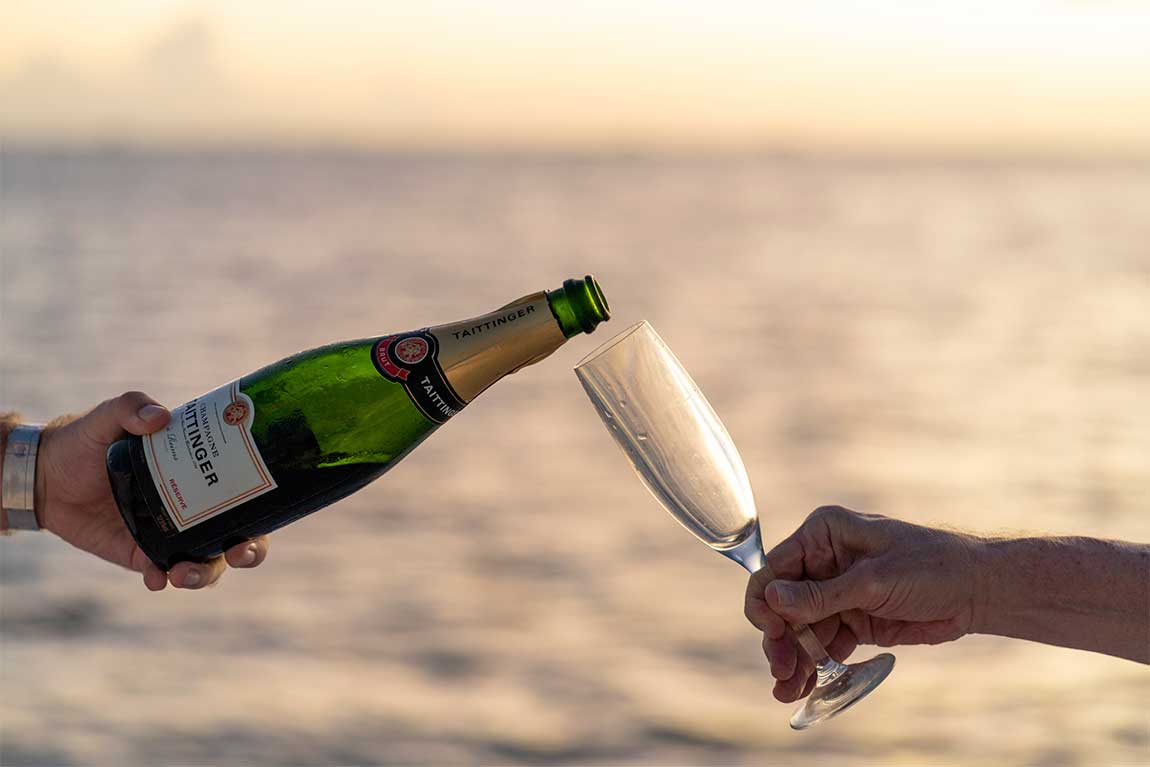
 There’s just something about the holidays, right? The twinkling lights, the gatherings, the feeling of warmth and celebration in the air. And for us, no holiday gathering feels complete without the pop of a champagne cork. Champagne and Christmas? It’s a classic pairing for a reason. And let’s not forget, New Year’s Eve! Nerry a party taking us into a new year, without some bubbles!
A little history (because it’s interesting!)
Champagne’s been tied to celebrations for centuries. Think big moments – coronations, victories, you name it. It was the drink for marking something special. So, it makes sense that it became a Christmas and New Years’ staple. It’s like the bubbles themselves mirror the excitement and joy of the season. It’s a whole sensory experience.
Luxury & demand
In June of 2024, a Sotheby’s auction of rare and large-format champagnes, dubbed the “Ultimate” champagne sale, achieved €1.35 million in total sales. The auction featured prestigious cuvées and sought-after vintages, with strong bidding from collectors worldwide. The overall success of the Champagne sale demonstrates the continued strong demand for fine and rare champagnes in the auction market. There’s a drop for every taste and budget!
 More than just a pre-dinner drink
 More than just a pre-dinner drink
A lot of people think of champagne as an aperitif, and it’s great for that. But honestly, it’s so much more versatile than you might think. The acidity and those lovely bubbles are excellent for cutting through rich foods. This makes it perfect for everything from smoked salmon bites to the Christmas roast itself.
- Starting the Party: If you’re having some appetisers, a crisp Blanc de Blancs (that’s 100% Chardonnay) is fantastic with seafood, oysters, and lighter bites. It’s got these citrusy notes that just cleanse your palate.
- Dinner Time: For the main course, a classic Brut Champagne (a blend of Chardonnay, Pinot Noir, and Pinot Meunier) is a safe bet. It goes with so much – poultry, roasted veggies, even those rich gravies and sauces.
- Sweet Treats: Don’t forget dessert! A Demi-Sec or Rosé Champagne, with a touch more sweetness, is lovely with Christmas pudding, panettone, or fruit tarts. The sweetness complements the desserts without being overpowering.
Picking your perfect bottle
There are so many different types of champagne out there, so there’s something for everyone.
- Non-Vintage (NV): This is your everyday champagne, a blend of wines from different years to create a consistent taste. It’s usually a good value and a solid choice for any occasion.
- Vintage: Made with grapes from a single, exceptional year. These are a bit more special and can age really well. A nice treat if you’re looking for something extra.
- Rosé: The pretty pink one! Rosé Champagne has red fruit aromas and just feels extra festive. Great if you like a slightly fruitier wine.
The whole experience
It’s not just about the taste, though. The whole ritual of opening a bottle of champagne – the pop, the fizz – it just adds to the festive vibe. Sharing a bottle with friends and family makes the holidays even more special.
A few quick tips:
- Chill it right: Aim for around 45-50°F (7-10°C). A few hours in the fridge or half an hour in an ice bucket does the trick.
- The right glass makes a difference: Tulip-shaped glasses are best for champagne. They help the aromas develop and keep the bubbles going. Skip the wide, shallow coupe glasses.
- Opening it like a pro: Remove the foil and loosen the wire cage. Hold the bottle at a 45-degree angle and twist the bottle (not the cork!) while holding the cork firmly.
This Christmas, why not add a little sparkle with some champagne? Whether you’re toasting traditions, laughing with loved ones, or just enjoying the holiday spirit, a glass of bubbly is the perfect way to celebrate.
This Christmas, local alcohol retailer, Jacques Scott has 7 fabulous bottles on sale.